首頁 > PRODUCT > Agarwood and sandalwood powder > Indonesian Ilian agarwood powder (two taels) 37.5g
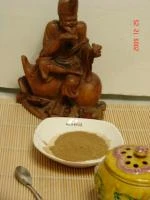
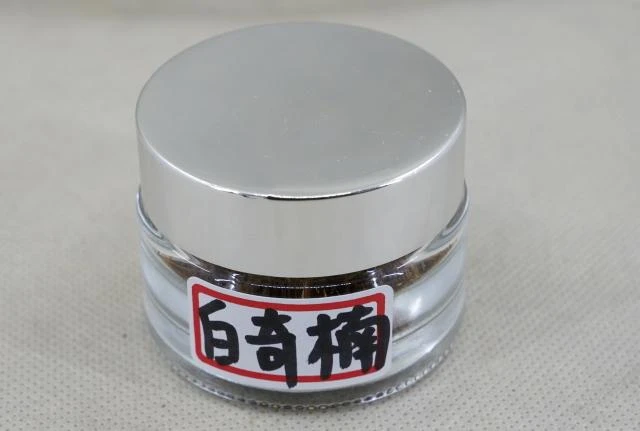
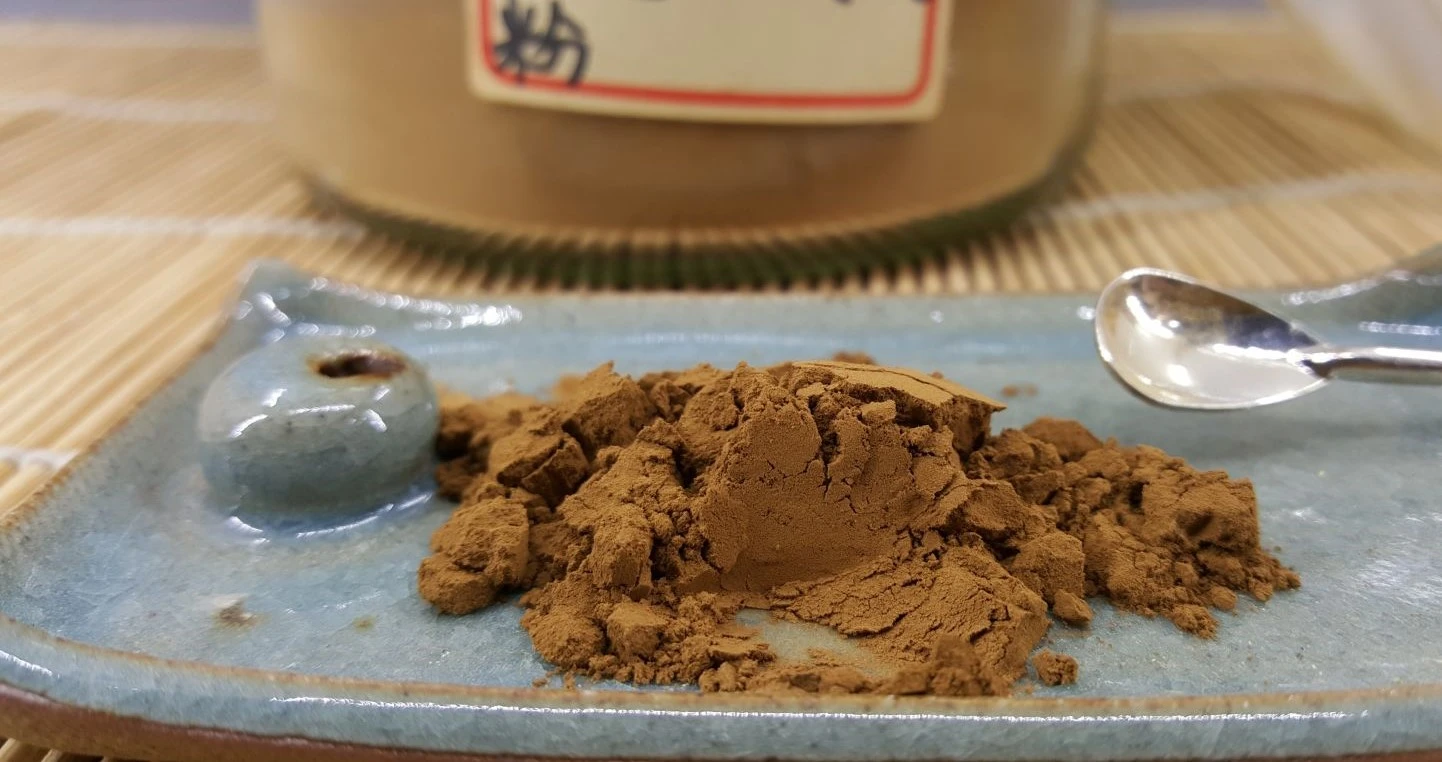
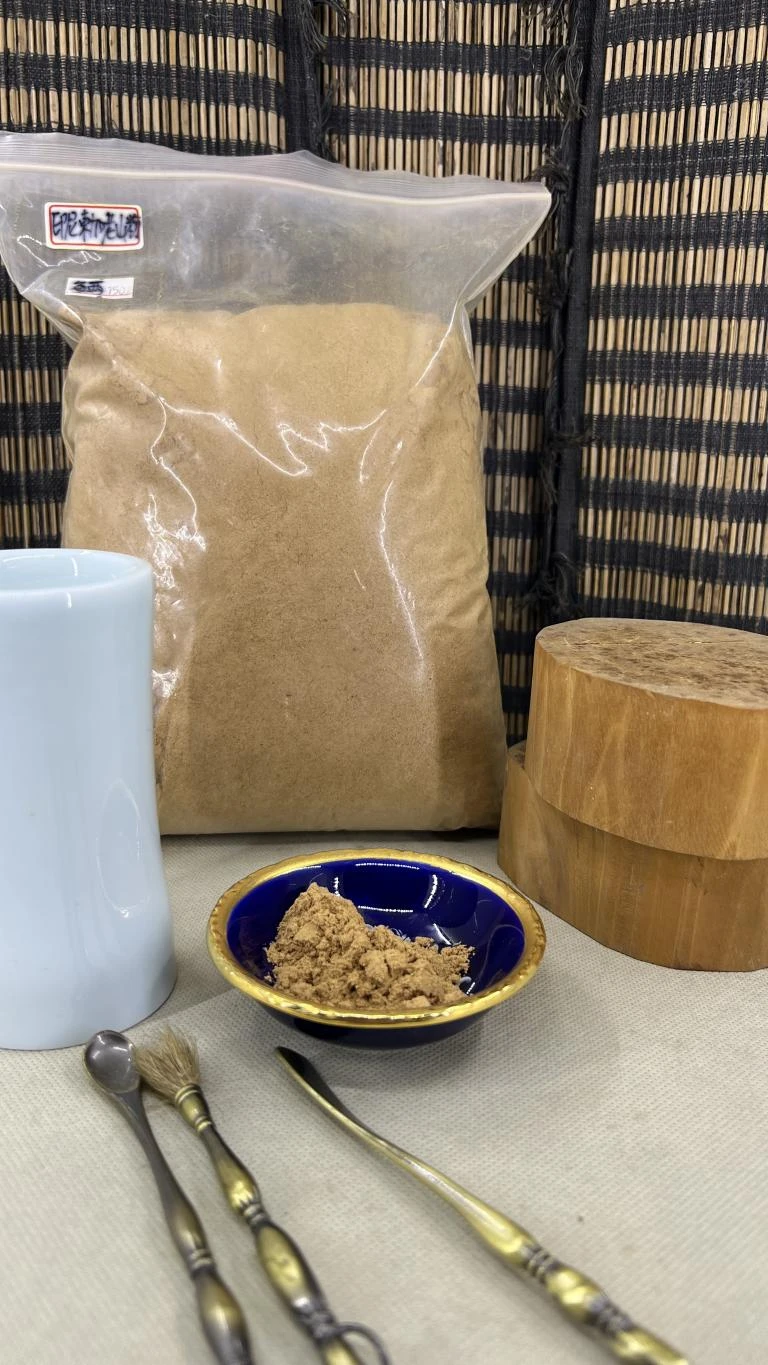
Indonesian Irian agarwood powder –
aged for a very long time (exact time unknown). When burned for Buddhist offerings, it produces
a rich, far-reaching aroma.
When diffused in an electric incense burner, it has a faint floral fragrance.
200 yuan per 37.5g (approximately 15 grams).
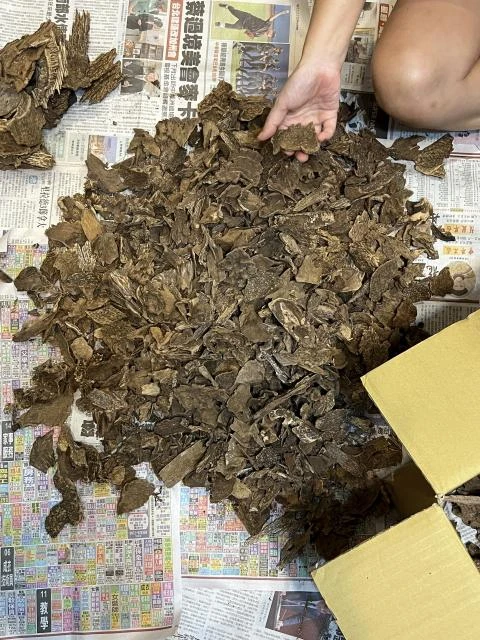
Agarwood
sinks in water and has a fragrant aroma. In the *Mingyi Bielu* (Records of Famous Physicians), it is described as the resinous wood of two evergreen trees, *Aquilaria agallocha* Roxb. and *A. sinensis* (Lour.) Gilg., belonging to the Thymelaeaceae family. It is heavy and sinks, moving without dissipating, with more downward movement than upward movement. It is most suitable for treating symptoms of qi stagnation and upward reversal. Its effect in descending qi is stronger than that of sandalwood, and its application range is wider.
The herbal text *Cao Cao Tong Xuan* states that agarwood is "warm but not drying, flowing without stagnation, supporting the spleen and promoting its smooth flow, reaching the kidneys and guiding fire back to its source. It has the effect of relieving adverse qi without harming qi, thus it is an excellent product for regulating qi."
Medical research
indicates that agarwood is pungent, bitter, and warm in nature, and enters the spleen, stomach, and kidney meridians. Modern analysis reveals that it contains volatile oils (the main components of which are benzylacetone and p-methoxybenzylacetone), terpenoids, and cinnamic acid, etc., possessing the effects of promoting qi circulation and relieving pain, warming the middle jiao and relieving vomiting, warming the kidneys and promoting qi absorption. It is mainly used to treat cold stagnation of qi, chest and abdominal distension and pain, stomach cold and vomiting, hiccups, and kidney qi deficiency. Clinically, it is also used for bronchial asthma with good results.
aged for a very long time (exact time unknown). When burned for Buddhist offerings, it produces
a rich, far-reaching aroma.
When diffused in an electric incense burner, it has a faint floral fragrance.
200 yuan per 37.5g (approximately 15 grams).
Agarwood
sinks in water and has a fragrant aroma. In the *Mingyi Bielu* (Records of Famous Physicians), it is described as the resinous wood of two evergreen trees, *Aquilaria agallocha* Roxb. and *A. sinensis* (Lour.) Gilg., belonging to the Thymelaeaceae family. It is heavy and sinks, moving without dissipating, with more downward movement than upward movement. It is most suitable for treating symptoms of qi stagnation and upward reversal. Its effect in descending qi is stronger than that of sandalwood, and its application range is wider.
The herbal text *Cao Cao Tong Xuan* states that agarwood is "warm but not drying, flowing without stagnation, supporting the spleen and promoting its smooth flow, reaching the kidneys and guiding fire back to its source. It has the effect of relieving adverse qi without harming qi, thus it is an excellent product for regulating qi."
Medical research
indicates that agarwood is pungent, bitter, and warm in nature, and enters the spleen, stomach, and kidney meridians. Modern analysis reveals that it contains volatile oils (the main components of which are benzylacetone and p-methoxybenzylacetone), terpenoids, and cinnamic acid, etc., possessing the effects of promoting qi circulation and relieving pain, warming the middle jiao and relieving vomiting, warming the kidneys and promoting qi absorption. It is mainly used to treat cold stagnation of qi, chest and abdominal distension and pain, stomach cold and vomiting, hiccups, and kidney qi deficiency. Clinically, it is also used for bronchial asthma with good results.